
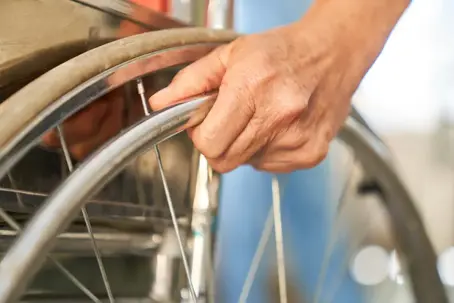
Spinal cord injuries can change lives forever. However, not all spinal injuries are the same. The location and severity of the injury determine whether someone develops paraplegia or quadriplegia. Understanding these differences helps patients, families, and caregivers plan for the future.
If you or a loved one has suffered a spinal cord injury, contact Klok Law Firm LLC at (843) 216-8860 for legal guidance.
What Is Paraplegia?
Paraplegia affects the lower half of the body. This condition results from damage to the thoracic, lumbar, or sacral regions of the spinal cord. Patients with paraplegia lose function in their legs and lower trunk. Meanwhile, their arms and hands continue to work normally.
The injury location determines the extent of paralysis. Furthermore, damage higher in the thoracic region affects more of the trunk. Lower injuries may preserve more core strength and stability. Most people with paraplegia can still breathe independently and control their upper body movements.
What Is Quadriplegia?
Quadriplegia, also called tetraplegia, impacts all four limbs. This condition occurs when injury happens in the cervical spine region. Additionally, quadriplegia affects the arms, hands, trunk, legs, and pelvic organs. The severity varies based on which cervical vertebra sustains damage.
Higher cervical injuries cause more extensive paralysis. For instance, C1-C3 injuries often require ventilator support for breathing. Moreover, C4-C5 injuries may allow limited shoulder and elbow movement. Lower cervical injuries at C6-C8 might preserve some hand function.
Key Differences Between Conditions
Affected Body Parts
Paraplegia primarily impacts the legs and lower body. In contrast, quadriplegia affects both arms and legs. This fundamental difference shapes daily living needs and independence levels. Therefore, treatment plans and adaptive equipment vary significantly between conditions.
Injury Location
The spinal cord injury location creates these distinct conditions. Paraplegia stems from injuries below the neck area. Conversely, quadriplegia results from cervical spine damage. Medical professionals use specific vertebrae classifications to predict functional outcomes.
Independence Levels
People with paraplegia often maintain greater independence. They can usually drive modified vehicles and transfer themselves. Additionally, many continue working in various professions. Nevertheless, quadriplegia typically requires more comprehensive daily assistance and specialized equipment.
Common Causes and Risk Factors
Motor vehicle accidents remain the leading cause of both conditions. According to the National Spinal Cord Injury Statistical Center, they account for nearly 40% of new injuries. Falls represent another significant cause, especially among older adults. Sports injuries, violence, and medical conditions also contribute to these life-changing injuries.
Prevention strategies focus on safety measures. Subsequently, wearing seatbelts, using proper sports equipment, and maintaining safe environments reduce risks. The Christopher & Dana Reeve Foundation provides extensive resources about prevention and living with paralysis.
Treatment and Rehabilitation Options
Early intervention improves outcomes for both conditions. Acute care stabilizes the injury and prevents further damage. Then, rehabilitation begins as soon as medically possible. Physical therapy, occupational therapy, and psychological support form comprehensive treatment plans.
Technology continues advancing treatment options. Robotic exoskeletons help some patients regain mobility. Similarly, electrical stimulation therapies show promise for recovery. Research from the Miami Project to Cure Paralysis explores innovative treatments regularly.
Legal Considerations and Rights
Spinal cord injuries often involve legal matters. Accidents, medical malpractice, or workplace incidents may create liability. Furthermore, understanding your rights ensures proper compensation and care access. The Americans with Disabilities Act protects against discrimination. Insurance coverage and long-term care planning require careful attention.
Contact Klok Law Firm LLC at (843) 701-1695 to discuss your legal options after a spinal cord injury.
Living with Paralysis
Both conditions require significant lifestyle adjustments. Home modifications improve accessibility and independence. Support groups provide emotional assistance and practical advice. Moreover, vocational rehabilitation helps many return to work. The United Spinal Association offers comprehensive resources for daily living.
Conclusion
Paraplegia and quadriplegia represent different spinal cord injury outcomes. While paraplegia affects the lower body, quadriplegia impacts all four limbs. Understanding these differences helps patients and families navigate recovery effectively. With proper medical care, rehabilitation, and support, people with both conditions can lead fulfilling lives.
For legal assistance regarding spinal cord injuries, contact Klok Law Firm LLC at (843) 701-1695 today.