
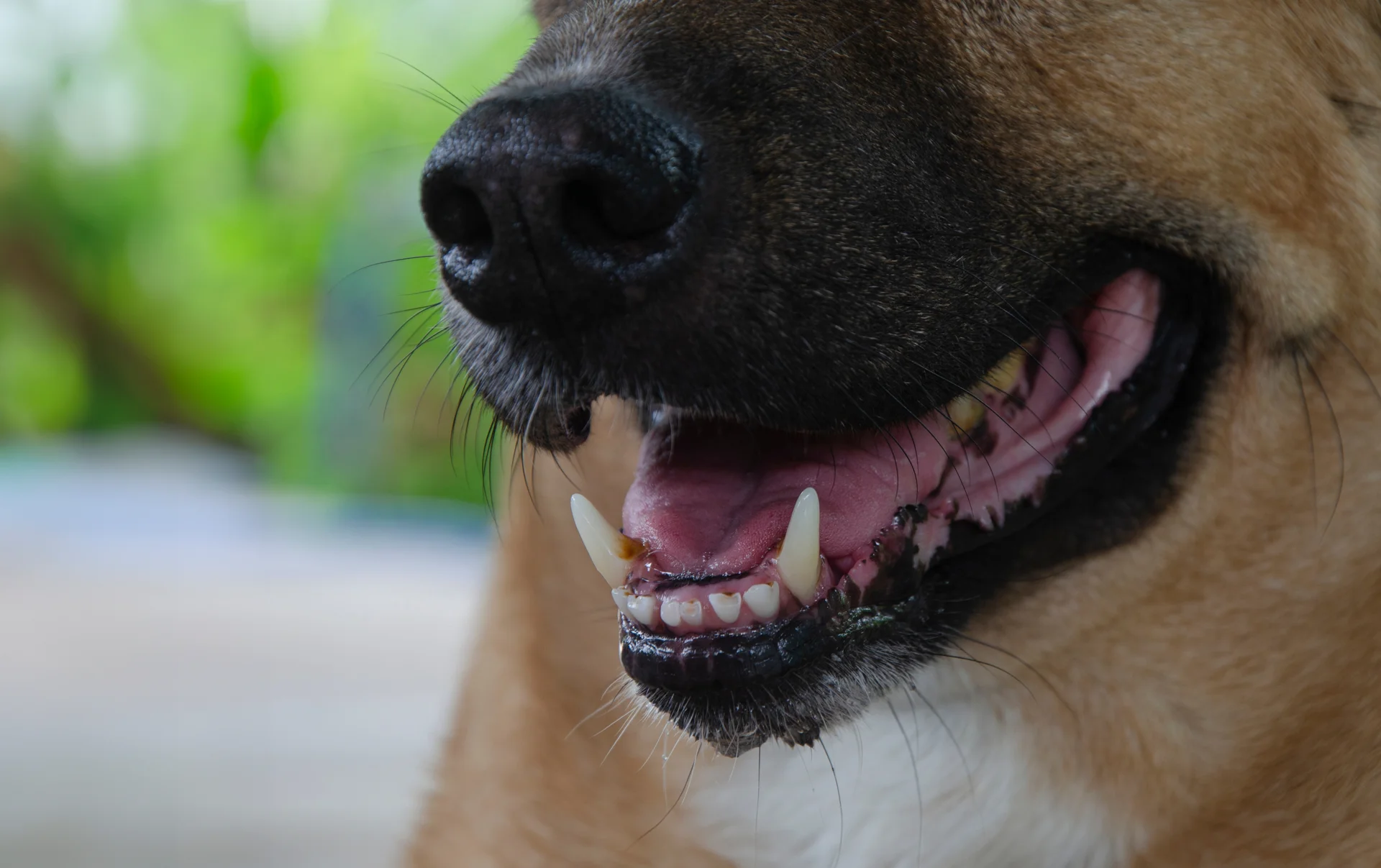
A dog bite happens in seconds, but the injuries can last a lifetime. Beyond the physical wounds — puncture injuries, torn skin, nerve damage, infection, and scarring — many victims are left with medical bills, lost wages, and a lasting fear of dogs. Children are especially vulnerable, and often the most seriously hurt.
If a dog attacked you or your child in South Carolina, one of the first questions is who has to pay. The good news is that South Carolina law strongly favors bite victims. In most cases, the owner is responsible even if the dog never showed aggression before.
South Carolina is a “strict liability” state for dog bites. Under S.C. Code § 47-3-110, a dog owner is liable for the injuries their dog causes when the victim was in a public place or lawfully on private property — regardless of whether the dog had ever bitten anyone before. There is no “one free bite” in South Carolina. The main exceptions are provocation and, in narrow cases, a trained law enforcement dog doing its job.
South Carolina has no “one bite rule”
In some states, a dog owner is only responsible if they knew the dog was dangerous — the so-called “one free bite” rule. South Carolina rejected that approach. Our statute imposes strict liability, which means the victim does not have to prove the owner was careless or knew the dog was aggressive.
Under S.C. Code § 47-3-110, if a person is bitten or otherwise attacked by a dog while lawfully present, the owner — or whoever had the dog “in the person’s care or keeping” — is liable for the damages. The dog’s clean history is not a defense. The first bite counts.
Note that the statute covers being “bitten or otherwise attacked.” That means it can apply even without teeth breaking skin — for example, when a large dog knocks someone down and injures them.
When are you “lawfully” on the property?
Strict liability applies when the victim was in a public place or lawfully on private property. Under the statute, you are lawfully on private property when you are there:
- —To perform a duty imposed by law — a mail carrier or delivery driver, for example
- —By the express or implied invitation of the property owner
- —As a lawful tenant or resident
So a guest, a neighbor, a customer, a delivery worker, or a child playing where they are allowed to be is generally protected. Someone who was trespassing at the time usually is not covered by the strict liability rule.
The exceptions: provocation and police dogs
The owner is not automatically liable in two situations described in S.C. Code § 47-3-110:
Provocation. If the injured person provoked or harassed the dog, and that provocation was the proximate cause of the attack, strict liability does not apply. Insurance companies raise this defense often, sometimes unfairly. What counts as “provocation” is fact-specific, and normal behavior — like walking past a dog or reaching to pet one the owner allowed you to approach — is generally not provocation.
Trained law enforcement dogs. The statute carves out attacks by a trained police dog acting within specific limits while assisting officers in their duties, subject to conditions in the statute.
Because provocation is the defense you are most likely to hear, documenting exactly how the attack happened — and getting witness accounts early — can make a real difference in your claim.
Who actually pays for a dog bite injury?
In most cases, the money to compensate a dog bite victim does not come out of the owner’s pocket directly — it comes from insurance. Homeowner’s and renter’s insurance policies typically cover dog bite liability, which is why many claims are resolved without a lawsuit. If the bite happened at the owner’s home, their homeowner’s policy is usually the first place to look.
Damages in a South Carolina dog bite case can include:
- —Medical bills, including emergency care, surgery, and reconstructive or plastic surgery
- —Future medical treatment and therapy
- —Lost wages and lost earning capacity
- —Pain and suffering, and emotional distress — including the psychological impact on a child
- —Scarring and disfigurement
For a fuller picture of what you can recover, see our guide on what damages you can claim after an injury.
What to do after a dog bite in South Carolina
The steps you take right after an attack protect both your health and your claim.
Get medical care immediately. Dog bites carry a high infection risk, and puncture wounds are often worse than they look. Prompt treatment also creates a record connecting your injuries to the attack.
Identify the dog and owner. Get the owner’s name, address, and — if possible — proof of the dog’s rabies vaccination. If the dog is a stray, note where it went.
Report the bite. Report the attack to county animal control or local law enforcement. An official report documents the incident and any history the dog may have.
Document everything. Photograph your injuries, the location, and the dog if you can. Collect names and numbers of any witnesses.
Be careful with the insurance company. The owner’s insurer may call quickly and ask for a recorded statement or a fast, low settlement. You are not required to give a recorded statement, and early offers rarely reflect the full cost of a serious bite. To understand how these companies operate, see our overview of the role insurance companies play in injury claims.
How long do you have to file?
South Carolina’s statute of limitations gives you three years from the date of the dog bite to file a personal injury lawsuit under S.C. Code § 15-3-530. If the victim is a minor, the deadline may be extended, but you should never assume you have extra time. Evidence and witness memories fade, so acting early protects your case.
Talk to a Charleston dog bite lawyer
A serious dog bite can mean surgeries, permanent scarring, and lasting fear — especially for a child. South Carolina’s strict liability law is on your side, but insurance companies still fight these claims, often by blaming the victim for “provoking” the dog. An experienced attorney can push back and pursue the full value of your injuries.
At Klok Law Firm, we represent dog bite victims in Charleston, Mount Pleasant, and throughout the Lowcountry. Call us at (843) 701-1695 or reach out through kloklaw.com for a free consultation.
Frequently asked questions
Is South Carolina a strict liability state for dog bites?
Yes. Under S.C. Code § 47-3-110, a dog owner is liable for a bite or attack when the victim was lawfully present, even if the dog never bit anyone before. There is no “one free bite” rule in South Carolina.
What if the dog never bit anyone before?
It does not matter. South Carolina’s strict liability rule makes the owner responsible regardless of the dog’s history. You do not have to prove the owner knew the dog was dangerous.
Can the owner blame me for the attack?
They can try. If you provoked or harassed the dog and that was the proximate cause of the attack, strict liability may not apply. But everyday conduct is usually not provocation, and this defense is often overused by insurers.
Who pays for a dog bite in South Carolina?
Most claims are paid by the owner’s homeowner’s or renter’s insurance. If the attack happened at the owner’s home, their homeowner’s policy is typically the first source of compensation.
This article is for general information only and is not legal advice. Every dog bite case turns on its own facts. For advice about your specific situation, contact Klok Law Firm at (843) 701-1695 or visit kloklaw.com.
Rhett D. Klok, Esq. is a personal injury attorney in Mount Pleasant, South Carolina. Klok Law Firm, LLC · (843) 701-1695 · rklok@kloklaw.com